
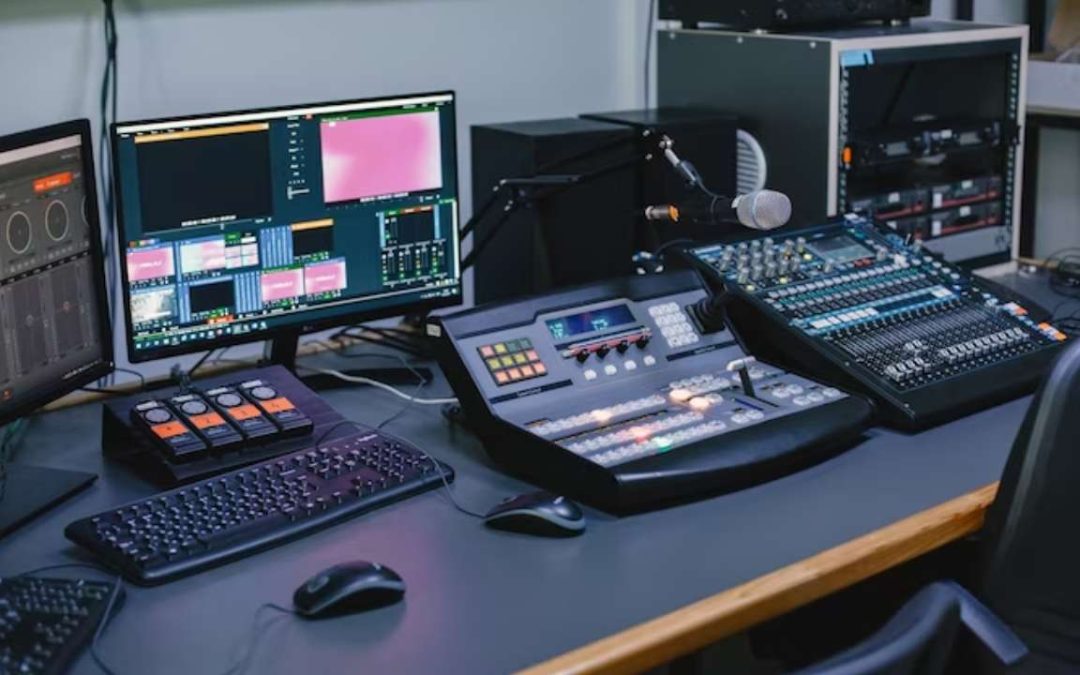
The world of business, education, healthcare, and entertainment has been transformed by technology. Whether it’s in interactive meeting rooms or sophisticated digital displays, AV technology is a key part of the connected and efficient environment.
But buying high-end AV equipment doesn’t mean it will make a successful system. The true benefit is found in the professional AV installation, where each of the components is meticulously planned, connected, configured, and optimised for reliable performance.
AV installation involves much more than plugging in screens and speakers. This involves technical knowledge, system design, compatibility checks, network integration, and thorough testing to guarantee a seamless operation.
From conference room setup to classroom technology, digital signage to home theatre, professional installation can turn individual devices into a complete communication solution for a commercial AV system.
What Is AV Installation?
AV installation involves the design, integration, configuration and installation of AV equipment in a particular environment.
It includes linking various technologies such as:
- The exhibit will feature displays and video screens.
- Speakers and audio equipment.
- Microphones
- Cameras
- Video conferencing systems
- Control panels
- Networking equipment
- Automation solutions
The goal of AV installation is to develop a system in which all components communicate effectively and offer a hassle-free user experience.
A professional installer is able to assess the space, understand the needs of the users, choose the appropriate equipment, install it and guarantee that it will function as expected.
Why Professional AV Installation Matters
Many organisations purchase top-of-the-range AV equipment, but run into issues when the installation is not done properly. If the setup is not done properly, the sound quality may be poor, connections may be problematic, it may be hard to operate, or maintenance costs may be unnecessarily high.
There are a number of benefits to professional AV installation.
Better System Performance
Experienced technicians know the interaction of various AV components. They ensure the displays, speakers, cameras and control systems are set up and configured properly.
This improves:
- Audio clarity
- Visual quality
- System reliability
- Overall user experience
Reduced Technical Problems
Mis-wiring, mis-configuration or incompatible equipment can cause persistent problems.
When installed professionally, risks are minimized including:
- Audio feedback
- Display problems
- Connectivity failures
- Software conflicts
- System downtime
- Easy-to-use and simple to operate.
Simple and User-Friendly Operation
Modern installations may have:
- Touch control panels
- Automated settings
- One-touch meeting controls
- Integrated device management
This will enable the system to be easily operated by the employees, teachers or visitors without technical assistance.
Key Components Included in AV Installation
A successful installation is a systematic approach to ensure performance and reliability.
1. Site Assessment and Consultation
The first step of the process is to grasp the space and needs.
Professionals evaluate:
- Room dimensions
- Existing infrastructure
- User requirements
- Network availability
- Acoustic conditions
- Future expansion needs
2. Audio System Setup
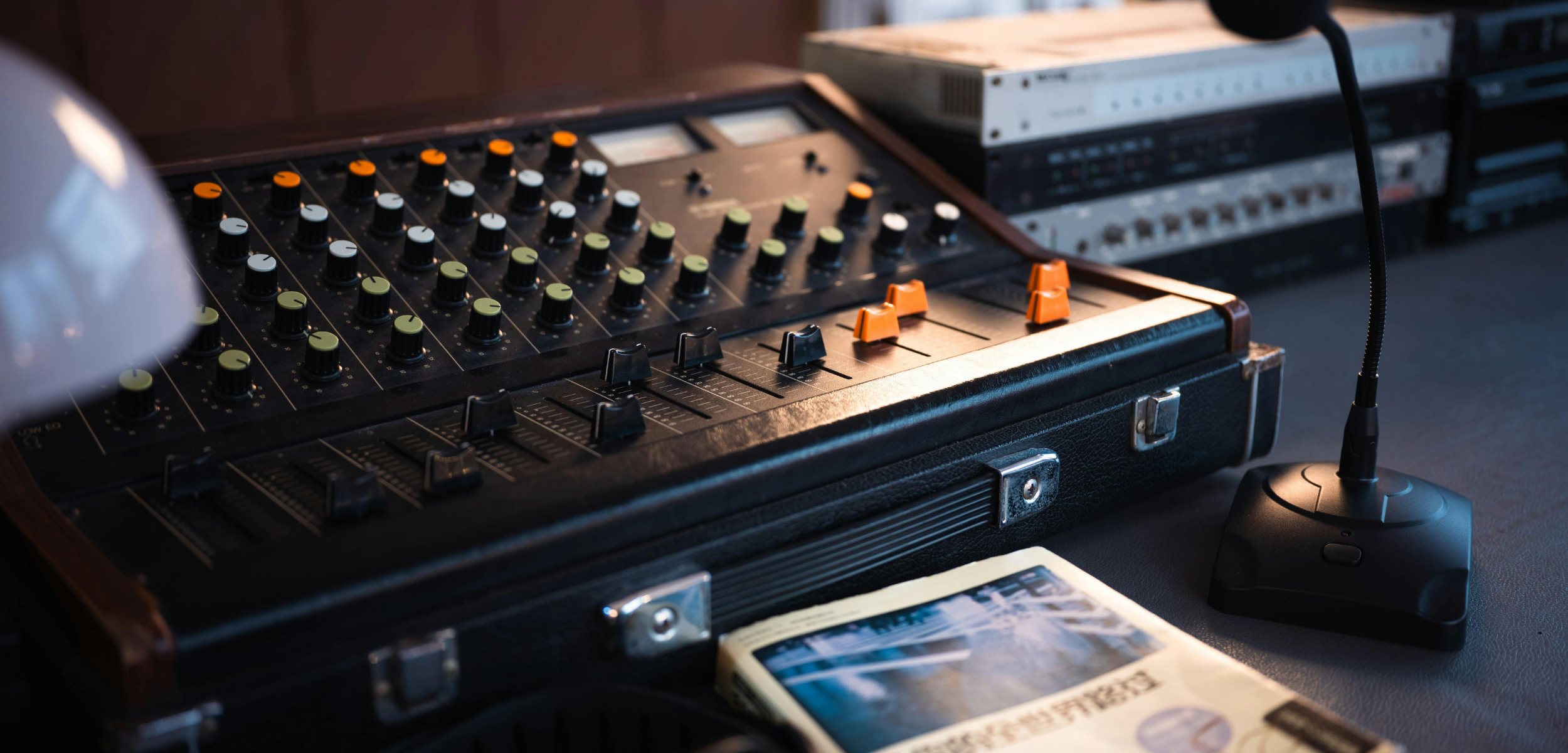
Once assessed, an AV design is developed to meet the goals of the project.
Planning includes:
- Equipment selection
- System layout
- Cable planning
- Power requirements
- Integration requirements
A detailed design can prevent problems during the installation process.
3. Video Conferencing Installation
Technicians carefully install, connect and configure all hardware during the installation process.
This may include:
- Installing displays
- Setting up speakers
- Connecting control systems
- Configuring cameras
- Managing cables
Professional cable management also enhances safety and aesthetics.
4. Control System Integration
All components are tested for correct functioning after installation.
Testing includes:
- Audio calibration
- Display adjustment
- Network connectivity checks
- Device integration testing
- Control system verification
A complete AV installation requires assistance in the user’s understanding of how the system works.
Training leads to the confidence of the employees or operators to use the technology.
Common AV Installation Mistakes to Avoid
An AV system’s performance can be impacted by poor planning.
Common mistakes include:
- Not taking the environment into account when choosing equipment.
- Ignoring room acoustics
- Poor cable management
- Incorrect speaker placement
- Lacking plans for future improvements
- Choosing incompatible technologies
These problems can be avoided with a professional installation, which will also provide long-term reliability.
How to Choose the Right AV Installation Company
It is essential that the correct installation partner is chosen for optimum results.
Take the following into account:
Experience and Expertise
Select a company that has experience with projects that are comparable to your own AV project.
Custom Solutions
Each room is unique. A good installer will offer solutions to your needs.
Technical Knowledge
Installer should be familiar with equipment integration, network, automation and configuration.
Ongoing Support
System maintenance and technical support ensure the efficient operation of the system over time.
Future Trends in AV Installation
The AV industry is constantly changing, with smarter and more connected technology.
Future AV installations will feature:
- AI-powered automation
- Smart meeting rooms
- Wireless technology
- Cloud-based collaboration
- Voice-controlled systems
- Intelligent analytics
These innovations are helping to simplify and make AV systems more flexible.